The End of Oak Street
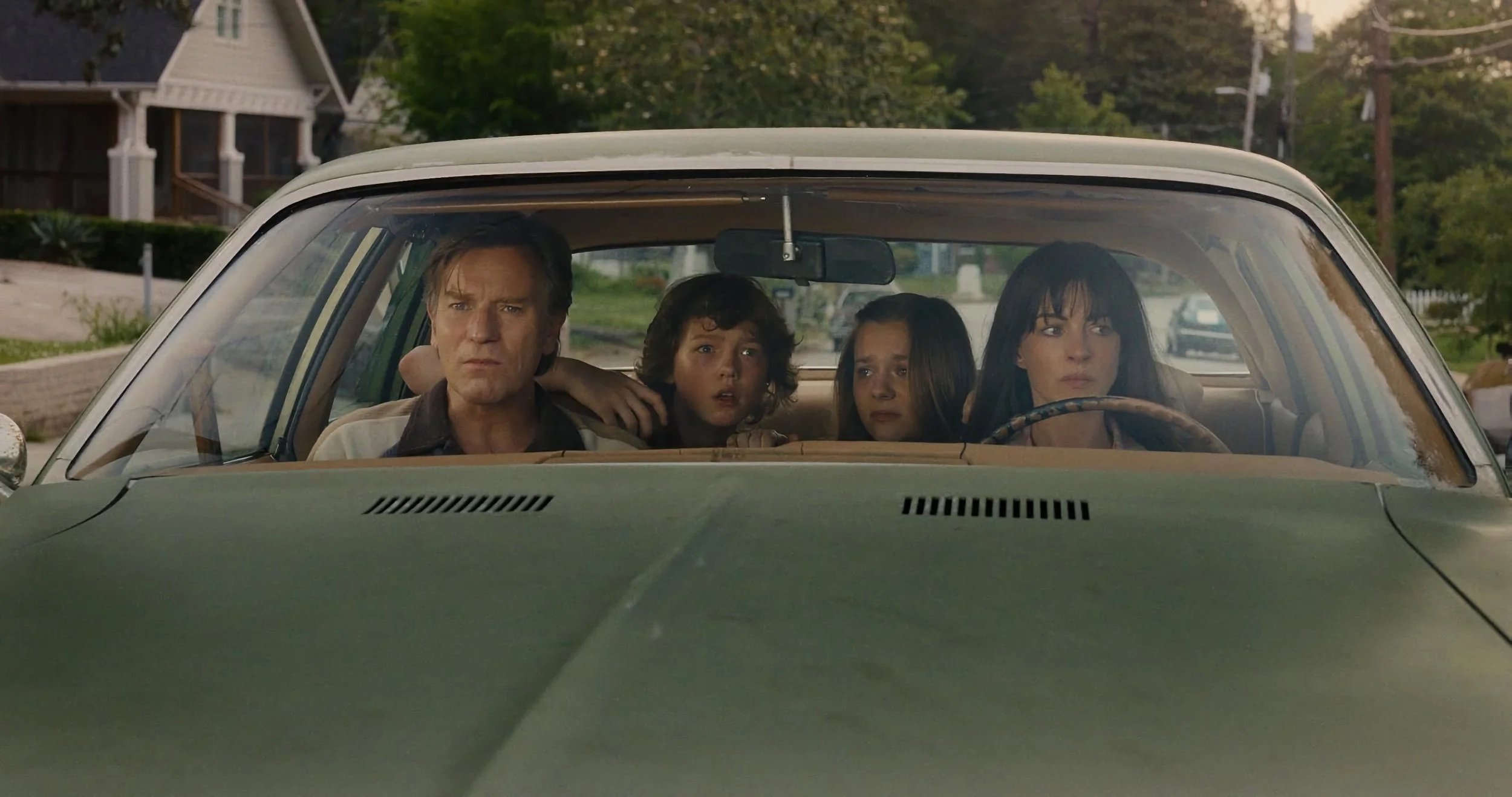
The problem with ‘the big reveal’ is that the entire story hinges on that one surprise. If it works, like The Matrix, it’s rewarding. If it doesn’t work, the whole story feels like a disappointing gimmick. To negate this risk, The End of Oak Street was marketed with a trailer that spoiled the big reveal. In doing so, the story changed from a big reveal story, like The Matrix (1999) or The Island (2005) to a straightforward ‘American nuclear family’ survives a challenging science fiction high concept threat.
The story could have gone in different directions. It could have been like Leave the World Behind (2023), an ‘Independent movie’ style production, which relies on atmosphere and the power of suggestion, or like Jurassic Park (1993) with a fully depicted ‘Hollywood summer blockbuster’ world building experience. The End of Oak Street has that fully realised ‘big budget’ experience, and with it the hefty post-production special effects budget. But, what it gains in special effects, it loses in intimacy.
The film feels like a homage to the ‘good old fashioned’ 1980s style nuclear family dropped into a science fiction scenario kind of story. The premise is very Stephen Spielberg… what if an alien came to stay with an ‘average American nuclear family’… and you get, E.T. the Extra-Terrestrial (1982). This uses the same kind of formula, but with a different plot twist.
The power of stories is that they can entertain and delight us by reinforcing or contradicting our expectations of reality. The girlboss of Furiosa: A Mad Max Saga (2024) can implausibly fight men twice her size. A skinny teenager can be Spider-Man, the superhero with incredible superhuman powers. But it’s hard to suspend reality and accept that Anne Hathaway would be more capable than Ewan McGregor in this scenario. Ewan McGregor had a popular TV series about travelling around the world on a motorbike and yet here we see him acting in the role of an incompetent loser.
The real problem with The End of Oak Street is not that the mother is an unlikely hero, and an unconvincing girlboss, it is that the father is setup to be the loser who transforms into a hero… but it turns out he really is just a loser. This cheats on ‘the story promise’, which in turn leads to a feeling of disappointment. A similar thing happened in Blade Runner 2049 – don’t set up the protagonist to be a hero and then reveal him to be a bit part loser playing a role in someone else’s film.
There’s another revelation at the end of the film, in the style of Oblivion (2013). It feels like an attempt to remedy the situation, but it doesn’t really work. It comes too late in the story for the viewer to care.
So, by breaking the story promise, what should have been a decent film – by a director who has given us two great films, It Follows (2014) and Under the Silver Lake (2018) – ends up feeling like a disappointment.